

Green flags in a relationship are the positive signs that your bond is strong and healthy.
When you notice green flags in a relationship, it means your partner treats you with care, kindness, and respect.
Instead of only looking for problems, recognizing these positive signs can help you feel confident and secure.
This article will explore examples of green flags and show you how to recognize them.
Looking for more relationship advice? Before you continue, you may also enjoy our guide on What Makes a Relationship Last, where we share the essential habits and qualities that help couples build strong, healthy, and lasting relationships.
Green Flags in a Relationship: Communication, Trust, and Respect
Open and honest communication is a key green flag in any relationship.
You can talk about your feelings, dreams, and worries, and your partner listens without judging.
Mutual trust is another green flag.
For example, you believe each other and rely on one another to keep promises and be there when needed.
Respect is also a green flag.
This means you value each other’s opinions and treat each other with kindness even during disagreements.
Feeling safe to be your true self around your partner is a strong green flag.
When you share your thoughts or admit mistakes and your partner responds with understanding, that shows respect and trust.

Examples of Green Flags in a Relationship
- Open Communication: You and your partner talk freely about your thoughts and feelings without fear.
- Active Listening: When you speak, your partner gives you full attention and truly listens before responding.
- Mutual Respect: Both of you treat each other’s opinions, time, and feelings as important.
- Trust and Reliability: Your partner follows through on promises and you believe in each other.
- Emotional Support: Your partner comforts you when you’re sad and celebrates your successes without jealousy.
- Healthy Conflict Resolution: When disagreements happen, you work together calmly and apologize if needed.
- Boundaries and Consent: You respect each other’s personal space and openly discuss physical and emotional limits.
- Shared Values and Goals: You and your partner have common dreams for the future and support each other’s personal goals.
- Sense of Humor and Fun: You enjoy laughing together, and your partner can make you smile even on tough days.
Green Flags in a Relationship: Mutual Support and Healthy Boundaries
Mutual support is a green flag that shows you really care for each other.
Your partner is genuinely happy for your accomplishments and encourages you to pursue your dreams.
For example, if you get a new job or start a hobby, your partner cheers you on instead of feeling threatened.

Healthy boundaries are also green flags.
This means you respect each other’s need for personal space and independence.
If one of you needs time alone or with friends, the other understands without taking it personally.
Both partners having their own hobbies and friends is a green flag.
It shows that you are confident in yourselves and trust each other to live full lives both together and apart.
Including each other in future plans, like talking about moving or major life changes, is another green flag.
It shows you view your relationship as a partnership where both voices matter.
Green Flags in a Relationship: Boundaries, Independence, and Support
Setting and respecting boundaries is a clear green flag.
Each person feels comfortable saying what they need and knowing the other will listen.
For example, if you prefer phone calls over texting late at night, your partner honors that preference.
Independence is a green flag because it shows trust and confidence.
You both have your own interests, friends, or time for self-care without feeling jealous.
A green-flag partner encourages your independence and doesn’t try to isolate you from your family or friends.
Support is a green flag that strengthens your bond.
Your partner stands by you during challenges, and you do the same for them.
If you talk about something important and they offer encouragement or advice, that’s a sign of support.
When both partners offer support, the relationship feels balanced and caring.
How to Spot Green Flags in Your Relationship
Pay attention to how you feel when you are with your partner.
If you feel calm, respected, and valued, those are green flags in action.
Notice consistency in your partner’s actions.
For example, if they say they will call when they arrive home, and they do, that reliability builds trust.
Watch how they handle conflicts or disagreements.
A green flag is when your partner listens calmly, tries to understand your point of view, and apologizes if they hurt you.
Notice their reactions to your feelings and successes.
If they celebrate your achievements genuinely and comfort you when you’re upset, they show empathy and care.
Ask yourself if your partner is curious about your life.
A green flag is when they remember small details you mentioned, like your favorite movie or your birthday plans.
These details show they are paying attention and genuinely interested in you.
Look at how they treat others.
If your partner is kind and respectful to your friends, family, and even strangers, that behavior reflects well on them.
It’s a green flag that they will treat you with the same kindness and respect.
Green Flags vs Red Flags in Relationships
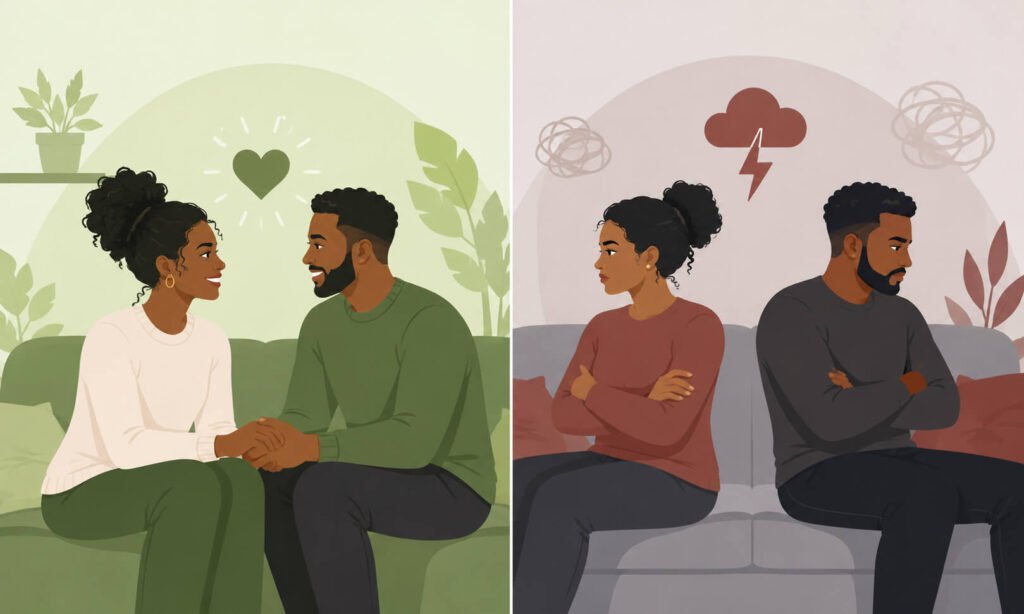
Green flags are the healthy, positive signs in a relationship, while red flags are warning signs of problems.
For example, open communication is a green flag, but constant arguing or name-calling is a red flag.
Trust is a green flag; checking each other’s phone is a red flag.
Support is a green flag; dismissing your feelings is a red flag.
Both green and red flags can appear in relationships, because no one is perfect.
The key is to compare their impact.
A few small red flags can be outweighed by many strong green flags like respect, honesty, and support.
However, if red flags (such as controlling behavior or dishonesty) are serious or increasing, you should take them seriously.
Focusing on green flags helps you remember why the relationship feels good and worth nurturing.
Why Green Flags Matter
Green flags help you feel secure and happy in your relationship.
They show that your partner values you and the relationship’s well-being.
Recognizing green flags can build your confidence in the partnership and encourage you to invest more.
They remind you of the positive qualities you deserve in a partner.
Focusing on green flags (instead of only on problems) can strengthen your connection and gratitude.
In the long run, green flags contribute to lasting happiness and emotional safety for both people.
FAQs
Q: What are some examples of green flags in a relationship?
A: Examples of green flags include open communication, mutual trust, and respect. If your partner listens to you attentively, supports your goals, and treats you kindly, those are green flags. For instance, a partner who celebrates your successes and comforts you in tough times is showing a green flag.
Q: How can I tell if my partner has green flags?
A: You can tell by paying attention to their behavior over time. Notice if they keep promises, ask about your day, and make you feel safe being yourself. If you feel understood and appreciated when you’re together, those feelings often signal green flags.
Q: What is the difference between green flags and red flags?
A: Green flags are positive qualities that indicate a healthy relationship, like trust and open communication. Red flags are warning signs, like dishonesty or disrespect. Green flags make you feel safe and respected, whereas red flags cause worry or discomfort.
Q: Are green flags always easy to spot?
A: Not always. Green flags can be quiet behaviors and might feel normal when they happen. For example, if your partner remembers small details about you or makes time for you regularly, you might take it for granted. Being mindful and reflective can help you notice these good signs.
Q: Can green flags change over time in a relationship?
A: Yes, relationships grow and change. A partner might become more communicative or supportive over time, adding new green flags. Conversely, if partners don’t keep nurturing the relationship, some green flags might fade. It’s important to keep noticing and encouraging positive behaviors together.
Q: What should I do if I notice both green flags and red flags?
A: It’s normal to see both in a relationship because everyone has flaws. The key is to compare them. Ask yourself if the green flags (like consistent respect and care) outweigh the red flags. If the red flags are minor and infrequent, you can discuss them openly. But if serious red flags persist, consider talking about them or seeking advice.
Want to strengthen your relationship even further? Continue reading our article on Healthy Relationship Habits to discover simple daily practices that build trust, improve communication, and create a deeper emotional connection.